Uganda is one of the best African countries with the top tourism activities one must not miss while on a holiday safari. On a Uganda safari, one must not miss Gorilla trekking, Game drives, Chimpanzee tracking, Boat cruises and Cultural encounters.
Uganda is a home of ten national parks and several game reserves which enable the above activities. Some of the national parks which enable the above activities include; Bwindi Impenetrable National Park, Murchison Falls National Park, Kibale National Park, Mgahinga Gorilla National Park, Queen Elizabeth National Park, Kidepo Valley National Park, Lake Mburo National Park among others.
- Gorilla trekking.
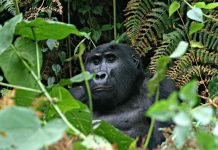
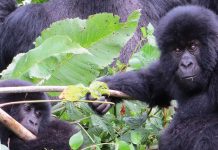
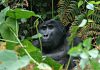
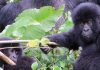
Uganda is a home of 450-500 mountain gorillas nearly half of world’s population. Uganda offers unforgettable chance to see endangered mountain gorillas in their natural habitat. The Trekking experience starts with the briefing about the endangered primates (gorillas) at the Uganda Wildlife Authority (UWA) headquarters of the park. The trekking duration ranges from 1 to 7 hours or more depending on where the gorillas nested the previous night. Once the family is located, you are allowed exactly one hour to observe and photograph them while maintaining and following the rules and regulations given by the park guides and rangers. Hikes can be steep, slippery, and physically demanding, so a reasonable level of fitness is highly recommended.
For a deeper experience, Uganda offers Gorilla habituation where you join researchers and park rangers to spend 4 hours with a semi-habituated gorilla family. The experience begins early in the morning and can last anywhere from 2 to 6+ hours of trekking, followed by exactly 4 hours observing and interacting with the gorillas. This experience teaches wild gorillas to get used to human presence without changing their natural behaviors.
Where to do Gorilla trekking in Uganda?
- Bwindi impenetrable National Park; The park is located in southwestern region of Uganda crossing into four districts: Kanungu, Rubanda, Kisoro, with a small section extending into Rukungiri. The park is a home of 459 mountain Gorillas hosted by four sectors with about 19 Gorilla families. In Bwindi, the trekking experience takes place in Buhoma, Ruhija and Nkuringo sectors.
For the habituation experience, it takes place in the southern sector of Rushaga.
- Mgahinga Gorilla National Park; The park is located in southwestern end of Uganda in Kisoro district hugging the border of Rwanda. The park is a home to an estimated 80 mountain gorillas hosted by the Nyakagezi family which only offers Gorilla trekking experience to visitors.
Rules to follow while trekking gorillas in Uganda.
In Uganda before entering the forest, the trekking and habituation experiences starts with the briefing about the gorillas and the forest at large at the Uganda Wildlife Authority (UWA) headquarters of the national park. Some of the rules and guidelines include the following;
- Do not trek if you have a communicable disease like a cold, flu, or diarrhea. If you need to cough or sneeze, turn away and cover your mouth.
- Keep a minimum distance of 10 meters from the gorillas. Do not attempt to touch them, and remain in a tight group rather than surrounding the gorillas.
- Maintain the exact one hour for gorilla trekking and four hours for habituation to reduce stress on the gorilla family.
- Flash photography is strictly prohibited. Turn off your flash and camera sounds, and move your camera slowly.
- Eating, drinking, or smoking is strictly prohibited near the gorillas and often within 200 meters of their location.
- Keep your voices low throughout the trek, avoid body language and facial expression until you are at least 200 meters away from the gorillas after the encounter.
- Dumping of trash (littering) in the forest is highly prohibited.
What to pack for Gorilla trekking in Uganda?
For gorilla trekking, visitors are encouraged to pack long-sleeved shirts, trousers, thick socks, waterproof hiking boots, garden gloves, a lightweight rain jacket, and high-quality insect repellent.
Don’t forget a waterproof daypack for your camera, packed lunch, at least 2 liters of water, and face masks.
Gorilla trekking Permits.
- $800 per person (Foreign Non-Residents).
- $700 per person (Foreign Residents).
- UGX 300,000 per person (East African Citizens).
Gorilla Habituation permits.
- $1,500 per person (Foreign Non-Residents).
- $1000 per person (Foreign Residents).
- UGX 750,000 per person (East African Citizens).
Best times to trek gorillas in Uganda.
Uganda has two climate seasons that is to say wet (rainy) and dry seasons. Dry seasons are preferred to as peak seasons and are the best seasons to trek gorillas in Uganda. In Uganda, dry seasons starts from June to September and December to February. These months offer clear views of gorillas where they can be accessed easily without hinderance of muds and flooding.
- Game drives.
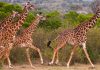
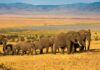
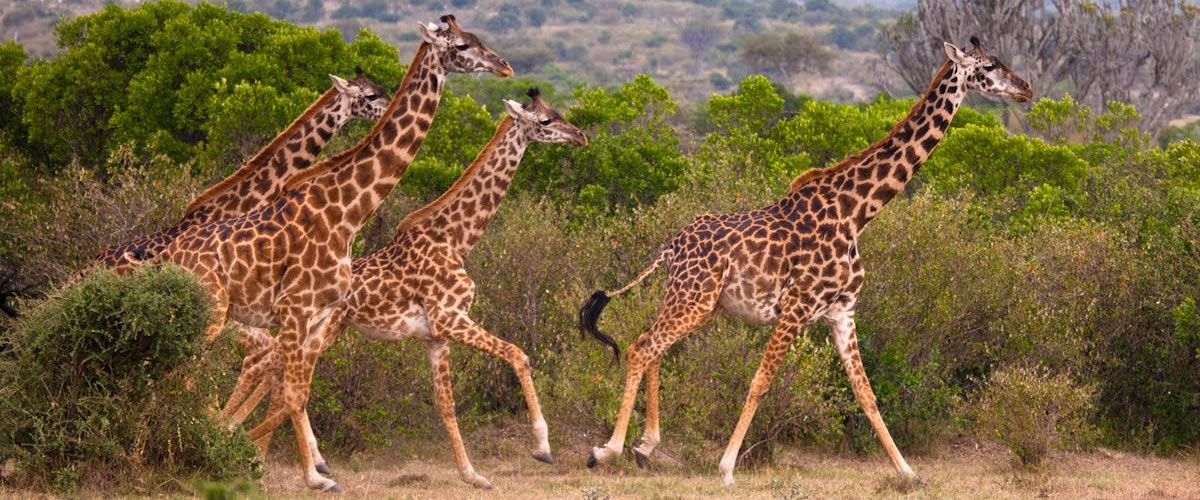
Uganda is a home to over 340 recorded mammal species hosted by large grassland and woodland savannas in several gazzeted conservation areas/ national parks. Some of the mammal species include; Large herds of African Buffaloes, Giant Elephants, Lions which are called the so called “King of the Jungle”, Leopards, Hippopotamuses, Giraffes, Rhinos, Zebras, Cheetahs, Ugandan Kobs among others.
Game drives in Uganda are the best way to spot and appreciate the abundant wildlife of the Pearl of Africa.
Where to do game drives in Uganda?
- Murchison Falls National Park; Located in northwestern region of Uganda in Nwoya district. It is known as the biggest conservation area in all Uganda’s national parks hosting over 76 mammal species. Some of the wild animals hosted in the park include; Buffaloes, Elephants, Zebras, Lions, Giraffes, Antelopes among others. The above mammals are hosted in Pakuba and Chobe savanna grasslands.
- Queen Elizabeth National Park; Located in western region of Uganda in Kasese district. It is known as the most popular and famous tourism destination in Uganda hosting over 95 mammal species. It is most famous for its large populations of African elephants, Cape buffaloes, Leopards and the tree-climbing lions found in the Ishasha sector.
- Kidepo Valley National Park; Located in the northeastern end of Uganda hugging South Sudanese border in Kaabong district. It is the third largest national park in Uganda hosting over 77 mammal species. The park is a home of African Elephants, Cheetahs, Zebras, Leopards among others. Game drives in Kidepo Valley National Park are done in Narus and Kidepo Valley grasslands.
- Lake Mburo National Park; Located in western Uganda in Kiruhura district. The park is home to over 68 mammal species. This savannah reserve is famous for holding an estimated population of over 5,000 Burchell’s zebras and is the only park in Uganda where you can find the giant eland (biggest antelope).
All costs for game drives in the above national parks are handled by Uganda Wildlife Authority (UWA); therefore, it is highly recommended to check on UWA tariff for most accurate entrance, guide and activity fees.
Best times to do game drives in Uganda.
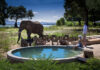
The best times to do game drives in Uganda are during the dry seasons (December to February and June to September). During these months, animals are easier to be seen whereby water tends to be very scarce and animals congregate around water sources making wild life viewing easier.
3.Chimpanzee tracking
Uganda has a population of 5000 to 5600 chimpanzees which enables unforgettable primate experience, taking you deep into the rainforest to spend one magical hour observing the primates.
The experience starts with the early morning briefing about the rules and regulations inside the forest at the Uganda Wildlife Authority (UWA) headquarters of the national parks. The hiking takes 2 to 5 hours depending on where the primates are located, you are allowed exactly one hour to observe and photograph them while maintaining and following the rules and regulations given by the park guides and rangers.
The forest can be steep, slippery, and physically demanding, so a reasonable level of fitness is highly recommended to chimpanzee trackers.
For a deeper experience, Chimpanzee habituation is better for trekkers in the forest. Here the experience can take the all day where by 3 to 6 hours can be spent looking for the location of chimpanzees, plus the exact 4 magical hours allowed to spend with the primates. This experience teaches the wild chimpanzees to get used to human presence without changing their natural behaviors.
Where to track Chimpanzees in Uganda?
- Kibale Forest National Park; It is known as the “primate capital” of the world found in western region of Uganda. The park stretches across four district boundaries that is to say Kabarole, Kamwenge, Kyenjojo, and Kasese. The park is a home of over 1500 African Chimpanzees offering 99% success rate for tracking. The park offers both tracking and habituation experiences to visitors.
Chimpanzee Tracking permits (1 hour with chimps)
- Foreign Non-Residents: $250 per person.
- Foreign Residents: $200 per person.
- East African Citizens: UGX 180,000 per person.
Chimpanzee Habituation permits (Four hours with Chimps)
- Foreign Non-Residents: $300 per person.
- Foreign Residents: $250 per person.
- East African Citizens: UGX 250,000 per person.
- Budongo Forest (Murchison Falls National Park); Located in northwestern Uganda in Nwoya district. The Kaniyo Pabidi ecotourism site in the Budongo Forest Reserve hosts a large chimpanzee population estimated at 600 to 800 individuals. Within this mahogany forest, one specific community of about 100 chimpanzees is fully habituated for tracking and habituation experiences.
Chimpanzee tracking permits (1 hour with Chimps).
- Foreign Non-residents; $130 per person.
- Foreign residents; $120 per person.
- East African Citizens; $85 per person.
Chimpanzee habituation permits (4 hours with Chimps).
- Foreign Non-residents; $230 per person.
- Foreign residents; $160 per person.
- East African Citizens; $90 per person.
- Kyambura Gorge (Queen Elizabeth National Park); Located in western region of Uganda in Kasese district. It is known as the “Valley of Apes” which hosts the rare primates (Chimpanzees) deep in a thick rainforest. The Kyambura Gorge is home to a population of approximately 30 chimpanzees offering only Chimpanzee tracking to visitors.
Chimpanzee tracking permits in Kyambura Gorge.
- Foreign Non-residents $100 per person.
- Foreign residents $80 per person.
- East African Citizens UGX 50,000 per person.
Rules to follow while tracking chimpanzees in Uganda.
Before entering the forest for the tracking experience, visitors are given strict rules and guidelines at UWA headquarters of the above national parks to follow while enjoying their experience, regardless of being provided with park rangers and guides. Some of the rules and guidelines include the following;
- Maintain at least 10-meters distance in presence of Chimpanzees.
- Stay in groups of six to fewer people.
- Avoid tracking if sick (flu or cough).
- Manage restrict viewing to one hour for chimpanzee tracking and four hours for chimpanzee habituation.
- Wear a face mask immediately in the presence of the primates to prevent passing on airborne germs.
- No spitting in the forest as it can spread bacteria diseases to the primates.
- Do not eat, drink, or smoke near the chimpanzees. This prevents them from being tempted to grab your food and avoids potential disease transmission.
- Keep voices low or maintain total silence while near the chimpanzees. Never mimic their vocalizations, as this can confuse them.
- Do not attempt to touch or chase the chimpanzees. Give the primates their freedom to move through their natural habitat undisturbed.
- No flash photography while tacking pictures of the primates. Turn off your camera’s flash before entering the forest, as flash lights can scare the chimpanzees.
What to pack while tracking Chimpanzees in Uganda.
Before setting off for Chimpanzee tracking experience, visitors are encouraged to go ready with long-sleeved shirts, trousers, thick socks, waterproof hiking boots, garden gloves, a lightweight rain jacket, and high-quality insect repellent.
Don’t forget a waterproof daypack for your camera, packed lunch, at least 2 liters of water, and face masks.
Best times to track Chimpanzees in Uganda.
Chimpanzee tracking in Uganda is most done in dry seasons from December to February and June to September, these months offer favorable hiking conditions, though tracking is open for the full year. In these months, Chimpanzees are easily accessible without hindrance of mud or flooding.
Fees and bookings for Chimpanzee tracking in Uganda.
All fees and bookings concerning Chimpanzee tracking in Uganda are handled via Uganda Wildlife Authority (UWA) through a registered tour operating company.
- Boat cruises.
This is one of the most interested tourism activities which one cannot miss while on a holiday safari. It is one of the most rewarding wildlife activities offering a peaceful way to view aquatic animals like Crocodiles, Hippopotamuses among others. Boat cruises in Uganda offer world-class wildlife viewing across the country’s major lakes, rivers, and national parks.
Where to do boat cruises in Uganda?
Prime locations include the River Nile in Murchison Falls, the Kazinga Channel in Queen Elizabeth National Park, Lake Victoria in Entebbe/Jinja, and the serene Lake Bunyonyi.
- Kazinga Channel (Queen Elizabeth National Park): This 2-hour boat safari is famous for offering close-up views of massive pods of hippos, bathing crocodiles, elephants, and buffaloes along the shores of water banks.
- River Nile (Murchison Falls National Park): Cruise from Paraa to the base of the world’s most powerful waterfall. It can be combined with a 30-minute hike to the top of the falls. Boat cruises are operated by UWA and a private company; World Frontiers.
- Lake Mburo National Park: It offers a relaxed aquatic safari where you can spot hippos, crocodiles, and various antelopes drinking along the shores of lake Mburo.
- The Source of the Nile (Jinja): Enjoy peaceful or adventurous boat trips, white water rafting right where the Nile exits Lake Victoria.
- Lake Victoria (Entebbe): It is perfect for day trip to track Shoebill storks in the Mabamba Swamp.
- Lake Bunyonyi (Southwestern Uganda): Explore the deepest crater lake in the country and second deepest in Africa, gathered with 29 small historical islands and terraced hills.
Fees and bookings of Boat cruise in Uganda.
In the above national parks and wildlife reserves, fees and bookings are handled via Uganda Wildlife Authority (UWA) or a registered tour company. Therefore, it is highly advised to check on the UWA tariff for exact and accurate costs.
- Cultural encounters.
Cultural encounters in Uganda offers interesting experiences that connect visitors with the country’s culture. Highlights include the ancestral Batwa (Pygmies), the northern Karamojong cattle keepers and multi-tribe performances at the Ndere Cultural Centre. A variety of highly rated cultural tours and experiences are available across Uganda, ranging from short city trips to community village visits.
Indigenous local communities that contribute to cultural encounters in Uganda.
- The Batwa (Pygmies) Cultural Experience; These are mainly found in southwestern region of Uganda in Bwindi Impenetrable Forest, Mgahinga Gorilla, and Semliki National Parks. Learn their ancient forest survival techniques and hunting skills from the local Batwa (pygmies) who historically lived in harmony with the forest.
- Karamojong Visits: Mainly found in northeastern end of Uganda hugging the border with South Sudan. Experience the proud pastoralist culture of northeastern Uganda by visiting their traditional homestead (manyatta), learning about their livestock-based economy, and seeing traditional dance, music and drama, craft making, storytelling among others. The experience is mainly conducted in Kidepo Valley National Park.
- The local Banyaluguru; These are local community members based in western Uganda (Queen Elizabeth National Park) with their traditional lifestyle, cultural performances, music dance and drama, craft making.
- The Ndere Cultural Centre; It is Uganda’s premier cultural community, located along Ntinda–Kisaasi Road in Kampala. It serves as the official home of the famous Ndere Troupe, an energetic performing, craft making, traditional music, drumming, and traditional dances from over 56 distinct Ugandan tribes and East African cultures.
Fees and bookings for the above cultural experiences are handled at the exact venue or the necessary national park headquarters or through a registered tour company in Uganda.